
Every department pulled into one orbit.
Procurement, manufacturing, warehouse, finance and field teams on one system of record, configured to how you work, not how the software shipped.
Switch on what you need. Add the rest later.
Every phase is live and useful on its own. If budget pauses after phase two, you still own something that works.
Finance core
Chart of accounts, ledgers, AP and AR. Nothing else works until the ledger is trusted.
Inventory and procurement
Item master, locations, purchase orders and goods receipt.
Manufacturing and operations
Work orders, bills of material, shop floor and service jobs.
People and payroll integration
Employee records connected to cost centres and scheduling.
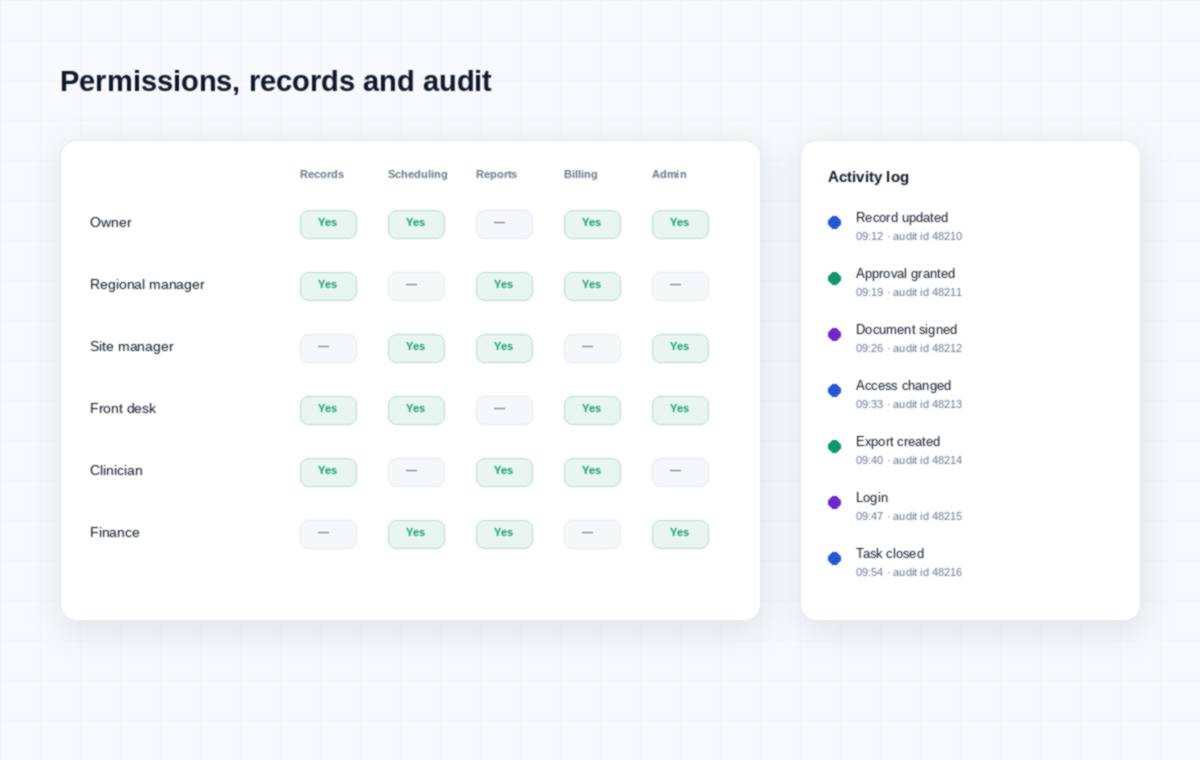
Roles and approvals
Permission boundaries per entity, branch and grade, enforced server-side.
Reporting layer
The analytics everyone assumed came first, built on the same definitions.
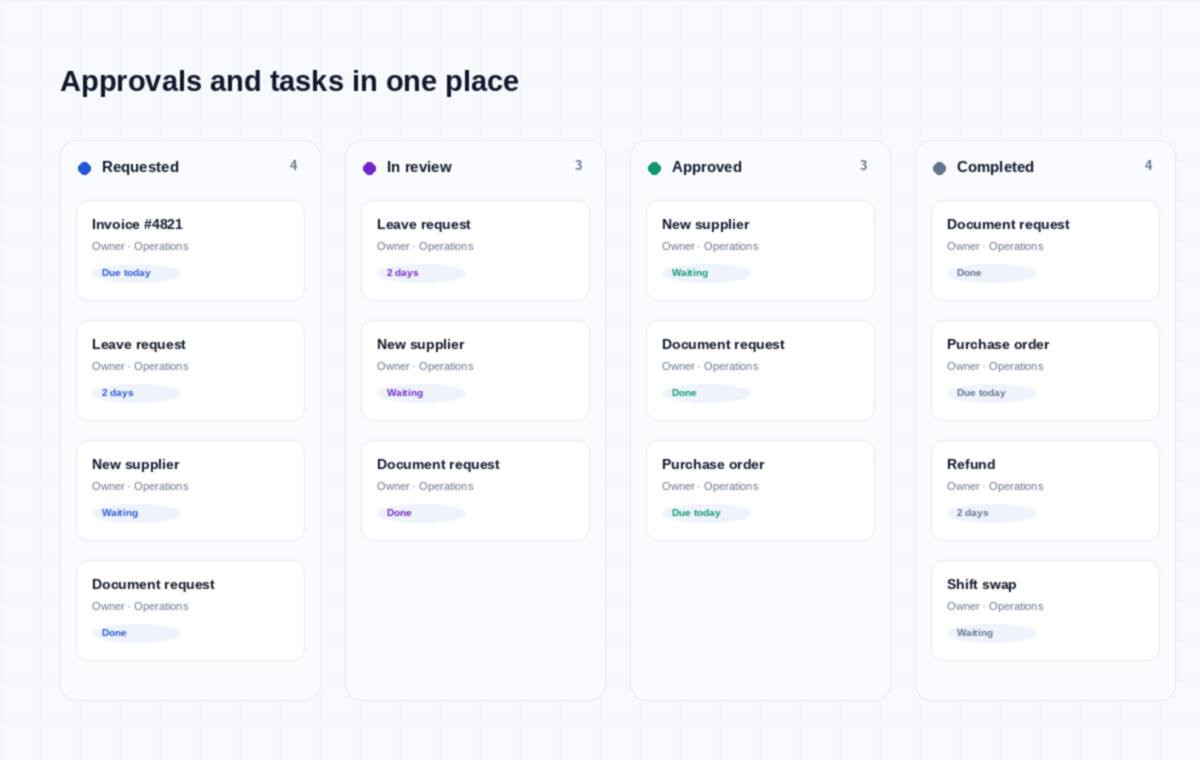
Run parallel until it is boring
Big-bang cutovers live in slide decks, not warehouses. We run old and new side by side for a full period, reconciling daily.
- Data profiling in week one — before configuration, because the findings change the plan.
- Cleansing as the project, not preparation for it.
- Daily reconciliation with the variance list driven to zero before cutover.
- Rollback open until the first clean period close.
Our cloud, your cloud, or your own data centre
Compliance usually decides. What matters is that it's deliberate and reproducible, not one server hand-configured by someone who left in 2018.
Bring us the ERP that stalled in month four
We will audit what exists, tell you what is salvageable, and give you a cost to finish and a cost to restart.